Certificate Management

Certificate Management

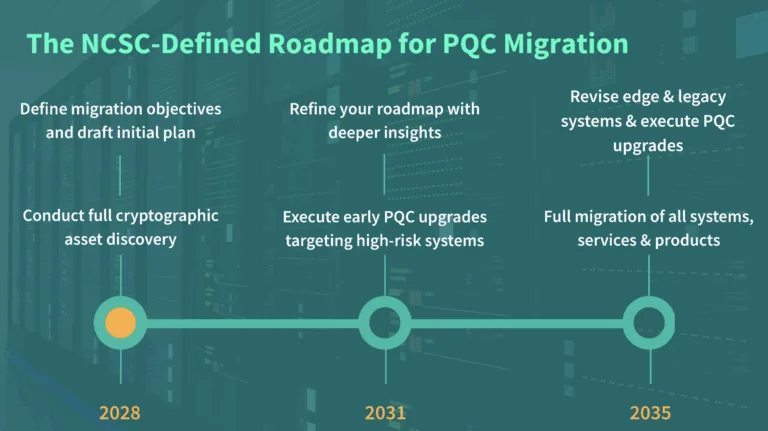
The arrival of post-quantum cryptography (PQC) is no longer a theoretical concern, it’s a strategic imperative for businesses across the globe. The UK’s National Cyber Security Centre (NCSC) recently issued updated guidance that underscores the urgency for all organisations, particularly those operating critical infrastructure or bespoke IT systems, to begin their migration to PQC today.
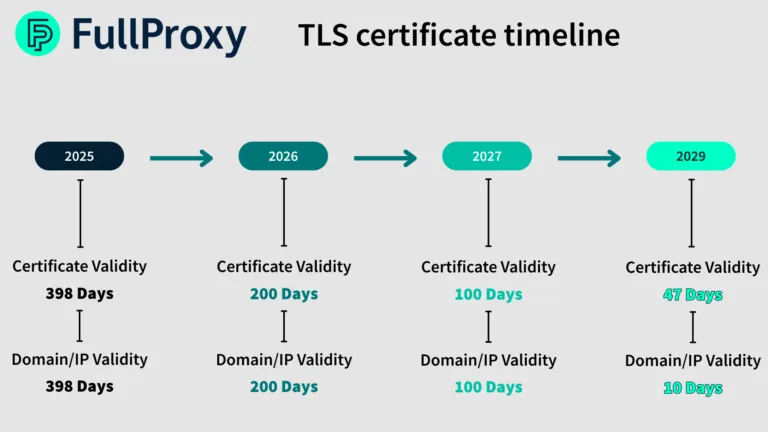
The recent CA/Browser Forum meeting revealed significant changes to Apple's certificate lifecycles, and they seem to be following Google’s lead. With a proposal to reduce TLS validity periods to just 45 days by 2027, this adjustment to Apple's certificate lifecycles has sparked even more anxious discussion among IT professionals – yes, it’s frustrating, but it’s also important. 

Certificate management is a critical part of an organisation’s cyber security that cannot be ignored. Certificates are vital for protecting data transmitted between websites and users. If not properly managed, data could be at significant risk. One certificate option that organisations often consider is wildcard certificates, which provide some benefits but also carry security risks.
Google's announcement to reduce the lifespan of Transport Layer Security (TLS) certificates from 398 days to 90 days continues to be a hot topic of discussion among information security professionals, especially those directly involved in replacing and updating certificates. It’s especially frustrating because – although mooted back in April of 2023 – there’s still no confirmed date for its implementation. Yet Chrome browsers account for just over 50% of all UK web traffic (Statista), so there’s no avoiding the impact that this will have.